


Début Author Sue Divin, on writing the complexity of peace
‘I’d have been a bloody brilliant rioter if I’d been born in the Troubles.’ Aidan
Two teenagers, both born on the day of the Good Friday peace deal. Someone asked me recently if my childhood, growing up in the ‘Troubles’ had inspired Guard Your Heart. The simple answer was no. It’s true, my upbringing gave me certain values, including the valuing of diversity and the desire to reach across communities, but Guard Your Heart is inspired by what I see in Northern Ireland today. In some ways, I even slightly resented the question - one of the motivations behind the novel is the fact that so much of Northern Irish literature is set during the Troubles (and I do love those stories) and yet there is a whole generation alive that wasn’t even born then. I wanted to tell their story, not mine. Unless I had a very different angle, it would be nothing new to write the story of war, but who was writing the story of peace? And what if peace is harder than war, or at the very least, more complex?
‘The attitudes hadn’t changed, just the tools. We fought with culture now, not guns.’ Iona
Let me wind it back a little. Guard Your Heart is my début novel. It’s a Romeo and Juliet set in Derry, in summer 2016. In a nutshell, Aidan is Catholic, Irish and Republican. With his father gone, his mother dead and his brother becoming increasingly radicalized, Aidan’s hope is pinned on exam results earning him a one-way ticket out of Derry. To anywhere. Iona, Protestant and British, has family connections with the police. She’s got university ambitions and a fervent belief that boys without one track minds are a myth. Both their fathers held guns, but safer to keep that secret for now. Of course, they meet… and therein lies the story. Can teenagers escape identity conflicts inherited from their parents? How do poverty and marginalisation impact a teenager’s life choices? What empowers a new generation to move forward into a shared society? I don’t think today is just about the ‘Catholic and Protestant thing,’ if anything, perhaps those are just the easiest labels. The issues in the legacy of conflict are webbed and varied. They might be in your face, or they can be subtle and insidious. But enough about themes… Guard Your Heart, above all else, is a love story.
‘…our eyes connected with a brief intensity I hadn’t felt before. This time it was my turn to look away, confused by the unexpected wave of warmth rising as I missed a breath.’ Aidan
If you do read the book, read it for the story. Read it for the romance. And read it whether you’re a teenager or an adult – it’s a crossover. By way of confession, I didn’t set out to write a YA book, when I started writing I didn’t even know that was a ‘thing’. No literary degree. No Masters in Creative Writing. (If that’s you too, and you’re writing, be encouraged. Breakthrough is possible). Truth is, I started writing because I was bored – with a change of circumstances in my early thirties, I suddenly found myself single-parent to a toddler. I had a full-time day job, but after a few years of being stuck in the house almost every night without babysitters, I’d had my fill of TV. I switched it off and started to write. It was summer 2016, real time for when the story unfolds. It was also the centenary year of the Battle of the Somme and the Easter Rising. How we remember the past in a shared and ethical way was a hot topic in peacebuilding, but I was conscious of wanting to write the story one hundred years on. Being published in the centenary year of both the creation of Northern Ireland and the Partition of Ireland – whether you see it as a party or a wake - also seems significant. An underlying hope I have for the novel is that it will make people reflect. If it doesn’t sound too pretentious, I’d like the novel, somehow, to make a difference. It’s fiction, but the context is real.
‘Were we building peace only knowing half the war story? In our charity-shop jigsaws as kids, there’d always been pieces missing, we never got the whole picture. Key bits were brushed under someone else’s carpet.’ Aidan
For over 16 years now, I’ve worked in community peace-building for local government. For me, peace is about a lot of things, but it’s not about everyone being the same, brushing the past under the carpet and polite avoidance of tough conversations. It’s about understanding and respecting diversity, listening and talking, changing unfair systems and engaging with the issues. To not engage with this space, to sit back in apathy or think it’s nothing to do with us, hands that space to others, sometimes with very different motives. It could be unwise to take peace for granted.
‘What’s the point in peace if you still think like we’re at war? At least let me think for myself.’ Iona
Why do I write? I like to make people think. I hope that Guard Your Heart will do that. Conflict dehumanises the ‘other.’ Stories connect us to the ‘other’. I write because fiction is a powerful tool for creating empathy, and empathy is a powerful tool for creating peace. In life, just as in my writing, I believe that hope happens because of risk takers.
‘I remembered wincing at Ma putting antiseptic on my grazed knees – ‘If you don’t clean a wound it won’t heal.’ Aidan
It has been an honour that some people have made a comparison with Joan Lingard’s ‘Across the Barricades.’ Is Guard Your Heart that story, but for the ‘next’ generation? Perhaps – if you add shed loads of adrenalin, grit and a dose of wry humour. The saga of Kevin and Sadie was first published in 1972. I wasn’t born then, never mind my now teenage son, so it’s actually two generations ago. Whilst I love that series, I think YA writing these days is edgier and harder hitting and throws out a real challenge to readers through powerful storytelling. In more recent years, local authors like Sheena Wilkinson, Kelly McCaughrain and Shirley Anne McMillan have published fantastic YA novels putting different perspectives on Northern Ireland into the hands of teenage readers. Novels like Toffee, Wonder, Noughts and Crosses, or The Hate U Give, reach well beyond a young adult audience with their message. That said, in terms of Guard Your Heart, it was probably adult novels with young protagonists – the likes of Paul McVeigh’s Mickey, in The Good Son, or Lisa McInerney’s Ryan, in The Glorious Heresies – that helped me in the editing phase of Guard Your Heart. It was like I suddenly imbibed what writing voice was about and gained a freedom to let my characters express themselves better.
‘Malala, Mandela and Beyoncé glared down at me from the posters on my wall. So much for my own courage under fire. Some people are born epic, others leg it when the opportunity to make a difference is staring them in the face.’ Iona
If anything influenced my teenage years in terms of reading, it was probably Wilbur Smith. My dad owned practically every novel he wrote including all the African sagas. I remember being on about the fifth novel before realising that actually, what I was reading was history blended with fiction. The political history of South Africa and the injustices of apartheid struck a real chord with me. I read Cry Freedom and Cry the Beloved Country, lapped up films like Biko and The Power of One, listened to Graceland on loop and later read Mandela’s biography. Reflecting back on it, that era in my life was probably a dawning that writing can tell something real. Writing can teach, but not in the same way as a textbook – it connects not just to the mind, but to the heart. It’s why it’s so important that more underrepresented voices are heard in literature – or any artistic form for that matter. We need to hear those stories to diversify our own understanding. I would hope that, on some level, Guard Your Heart, will achieve even a modicum of that for at least some readers. It was certainly inspired by the desire to tug hearts and minds into empathising that wherever it takes place, and in whatever form, reconciliation can be a fragile process. A courageous risk.
‘We cut a ragged path through the foam of the shallow breakers, shifting back towards the shore if a larger wave pulled at the shingle, toppling the pebbles over in the drift. Neither of us changed course as our shoulders touched…’ Iona
Sue Divin is a Derry based writer and peace worker, originally from Armagh in the North of Ireland. With a Masters in Peace and Conflict Studies and a career in Community Relations, her writing often touches on diversity and reconciliation.
Her short stories, flash fiction and poetry, have been published in The Caterpillar, The Cormorant, ‘Her Other Language’ anthology, ‘North Star’ anthology, Honest Ulsterman, The Bangor Literary Journal, Splonk, North West Words, Fingerpost and The Bramley.
Guard Your Heart is her first novel and is published by Macmillan (2021). In 2019 it was shortlisted for the Caledonia Novel Award and was Joint Winner of the Irish Novel Fair. She is currently working on a second novel with a working title Truth Be Told.
Thankful recipient of Arts Council NI SIAP award, Sue tweets @absolutelywrite
Guard Your Heart is released by Macmillan on 1st April 2021. It is available to pre-order online from Waterstones, WHSmith, Eason, Amazon and many wonderful independent bookstores. Please support local! See details at www.suedivin.com or click:
https://uk.bookshop.org/books/guard-your-heart-9781529041675/9781529041675
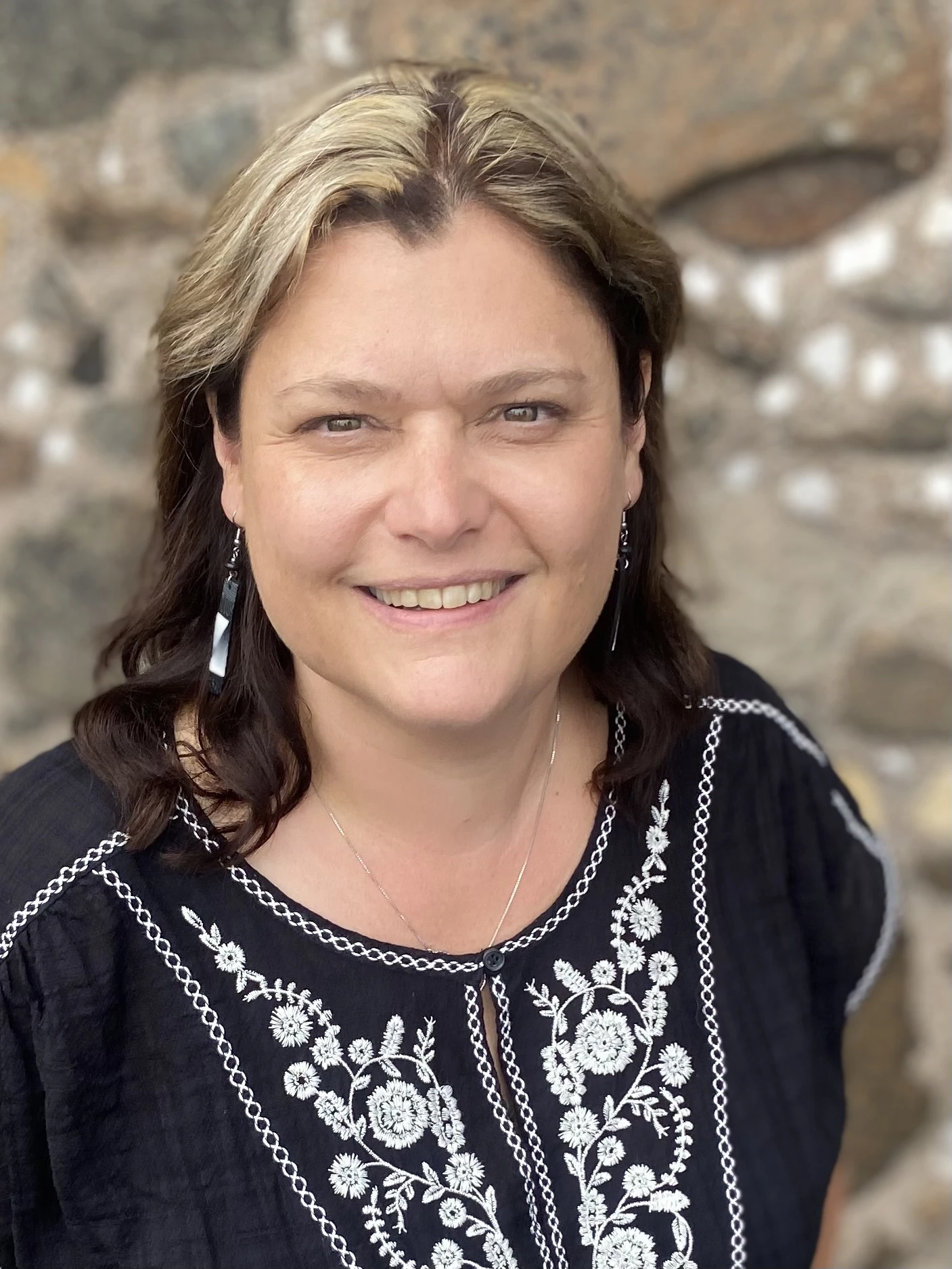
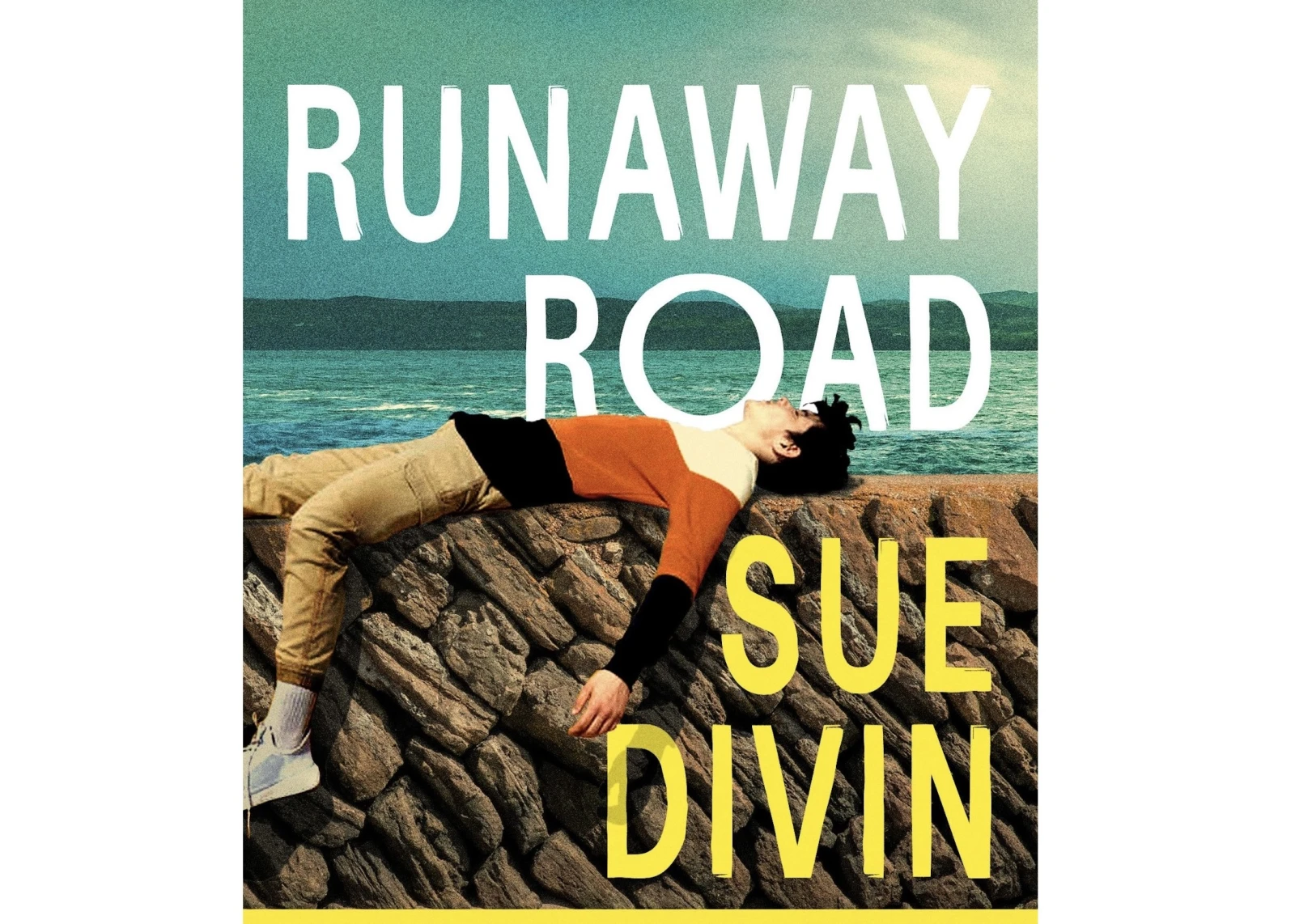
Sue Divin is a Derry-based writer with Armagh roots. Her critically acclaimed novels are popular with teens and adults alike. Published in May 2026, Runaway Road (First Ink, Macmillan), is on the Irish Times ‘Best fiction of 2026’ list. Guard Your Heart was Carnegie listed. Truth Be Told is on Ireland’s curriculum.
More work by Sue Divin


Tel: 028 7126 6946
Email: hueditor@theverbal.co
Verbal, Stable Lane and Mall Wall, Bishop Street Within, Derry/Londonderry, BT48 6PU
 company
Copyright © 2026 Honest Ulsterman