


Using Fiction for Community Dialogue & Peacebuilding
One of the things I love best about being a writer is hearing readers discuss stories. Yes, the characters, the plot, the themes, the endings, but also the things that readers learned along the way or which they disagreed with or things which made them laugh out loud or which challenged their emotions or understanding. The things which developed their empathy.
Like many writers I know, the ideas for my writing often come from the musings of my own brain around contemporary issues. Issues where there is no clear ‘right’ or ‘wrong’ answer and which can be seen from diverse perspectives. Issues which pose questions which have a universal connection, and which resonate not just now, but into the future.
Recently, in Derry’s Guildhall I heard Patricia Forde, Laureate na nÓg, inspire children into creative writing by saying that the magic two words to unlock imagination are ‘What if...?’ That clicked. What if peace is harder than war? What if finding out who you truly are means undermining everything you’ve ever known? Those were questions on the covers of my first two novels, Guard Your Heart and Truth Be Told. Questions which unlocked stories. When I’m delivering edit and pitch workshops with emerging writers, I often ask them to sum up their novel into one question which will catch attention. What is the story really about? Those questions also have the power to unlock community dialogue and get people talking.
Dialogue is a critical tool in peacebuilding in post-conflict societies. It helps to sustain and deepen the quality of the peace. Whilst dialogue around really contentious issues is best facilitated by a trained professional, arguably fiction can provide a ‘safer’ way into meaningful conversation. You can’t offend a character in a book. You can discuss their perspective without them becoming argumentative or emotional. You can question their culture, assumptions and actions or entirely disagree with their worldview. Nothing is going to make them jump out of the page and challenge you back. It’s not personal. And yet, they will get real people talking about real issues. I’ve seen it time and time again. Café conversations. Women’s groups. Book clubs. School groups. Literature - flash fiction, short stories, poetry, novels, performance poetry, plays – it creates a safe space for discussion. More than that, something about story helps people to open up to tell their stories.
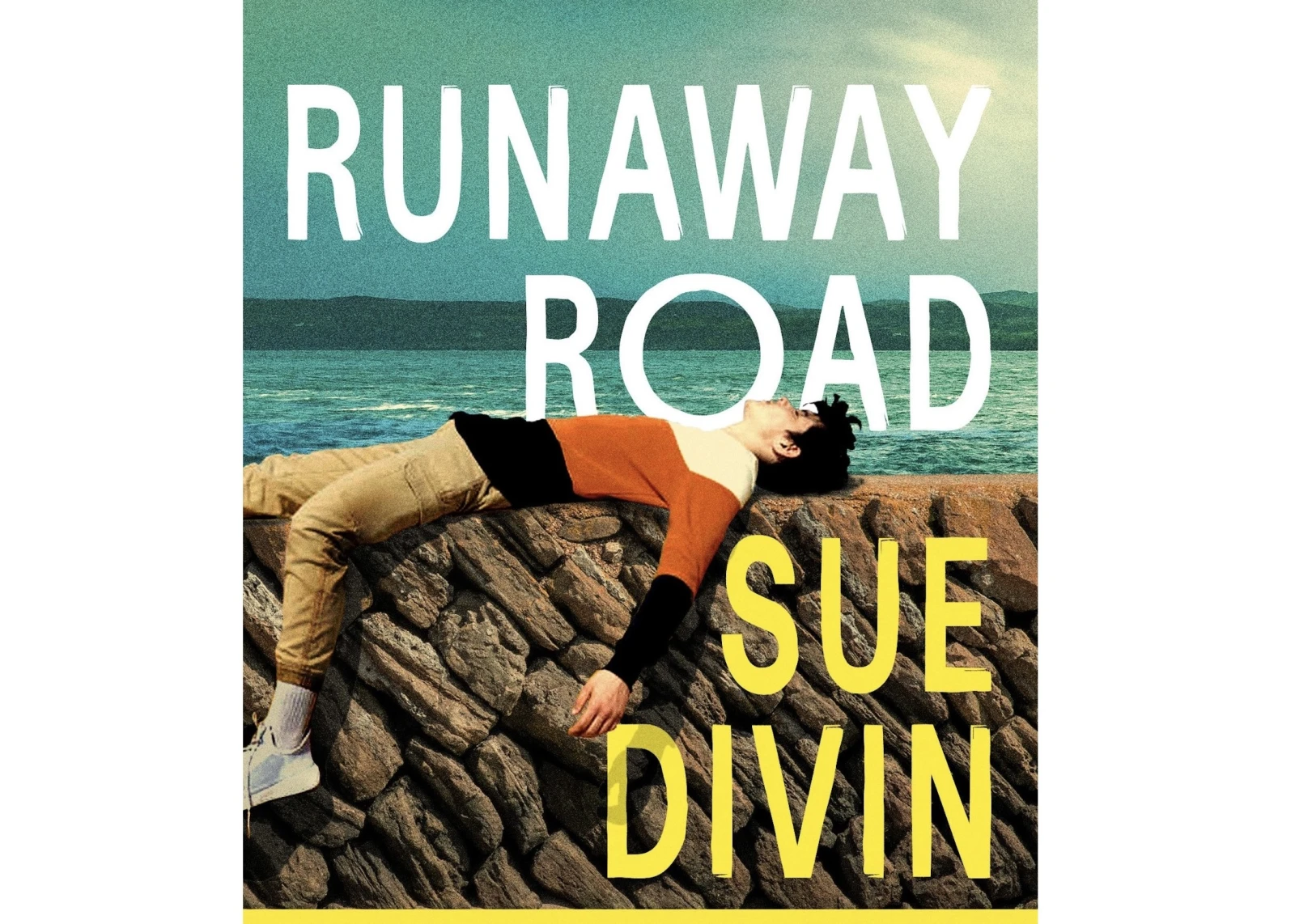
In my third novel, Runaway Road, we meet Ezra. He’s 16, from Northern Ireland. When he was nine, something triggered him into walking himself and his wee sister Evie (3) out of their home and into a bookshop. 'I was born in a bookshop', says Evie, now nine, who can’t remember life before the bookshop. The siblings grow up in the care system, but when a crime goes badly wrong, Ezra decides to go on the run over the border to evade police and social services. Evie is determined to go too. The siblings are used to feeling invisible, but now they have to become invisible for real.
What, you say, is the point of me telling you this?
Well, the story is set in Derry~Londonderry and Donegal in 2023 and there are many layers to what it’s about. Second chances, finding family, belonging. Nice stuff? It’s also about identity, diversity, racism, borders, youth justice, paramilitarism, post-pandemic, post-conflict society... Ezra is broadly from a British identity (‘Ulster loyalists, Brits, Prods – here, you get born with a T-shirt you wear for life. Often, I wear that red, white and blue proud, but other times I’m a grey hoodie.’) Evie has ASD and has a very ‘sideways’, creative and neurodiverse take on life. Enough to start a dialogue?
Runaway Road is also a ‘Young Adult/Crossover’ book. In plain English, it’s suitable for adult and teen readers. It’s accessible. YA reads are characterised not just by teenage protagonists but for their fast-paced, page-turning plots, diversity representation and often for their tackling of contemporary issues. AKA, they’re perfect for community discussion and often ‘readable’ by those who say they’ve lost touch with reading. YA novels are also trauma-informed, sensitive to reader’s emotional wellbeing and carry age ratings and trigger warnings if traditionally published because publishers are cognisant of their younger readers wellbeing. With 2026 being a ‘golden year’ with four new traditionally published NI YA reads out in spring there’s no shortage of material -check out writing by Kelly McCaughrain, Stephen Daly and Jenny Ireland.
So why write this now? What’s the relevance to where we are at and for moving forward? That’s another question I ask emerging writers. It’s also pertinent to peacebuilding and community dialogue. We’ve had ‘peace’ since 1998, but the quality of that peace, the legacy of the conflict remains imprinted. Largely segregated housing and education systems, duplication of services stretching resources, mental health, addiction, violence against women and girls, hate, paramilitarism, racism, disputes around culture and language, trans-generational trauma, the constitutional question… All of these things and more, I’ve seen represented in published writing. I’ve also read hope, reconciliation, journeys of empathy. Could we, should we, use this resource more in peacebuilding?
Jan Carson’s Firestarters for example takes a magic-realist approach to exploring post-conflict East Belfast. Or if a novel is too long, try the short stories in Bernie McGill’s This Train is For which explores many social as well as legacy issues. Poetry by Damian Gorman, Mícheál McCann, Nandi Jola or Raquel McKee provide insightful perspectives on human rights, hope and identity. There’s a myriad of Northern Irish authored contemporary literature out there which I’d recommend for this purpose and plenty more besides. Ask librarians. Ask book sellers.
Something else we need to talk about (and act on) in the north of Ireland is ending violence against women and girls. With more than 30 women killed violently since 2020, the rates of femicide, domestic violence and gender-based abuse make it one of the most dangerous places in Europe to be a woman. And yes, research would say there is a clear link between that violence and the legacy of violent conflict here. Trans-generational trauma has real impacts. Building peace includes building peace for women.
Contemporary Northern Irish literature has plenty to stimulate community dialogue on that topic. Booker prizewinning, Milkman, by Anna Burns heads the list and Her Other Language, a 2020 anthology edited by Ruth Carr and Natasha Cuddington provides an accessible start with a range of poetry and short prose by Northern Irish Women Writers. For novels, Roisin O’Donnell’s, Nesting, is a powerful (and ultimately hopeful) story on coercive control. Of recent publications I’d recommend Shirley McMillan’s, Grapefruit Moon or Wendy Erskine’s, The Benefactors for exploring ‘toxic masculinity,’ whilst dual timeline, As A Lover by Hilary McCollum explores patriarchy and discrimination from an LGBTQ+ perspective. These are topics we need to get everyone talking about. Story provokes empathy, provokes thought, provokes understanding. Could that provoke change?
Whilst the topics sound heavy, writing triggers thought creatively. Readers will often find satire, dark-humour or a lacing of that renowned acerbic Ulster wit in the Northern Irish ‘voice’ on the page. Or if the page itself is a barrier to dialogue, try an audiobook or an online search for readings and performances by writers. If youth-dialogue or engagement with children is your focus, I’d recommend this recently published guide from Children’s Books Ireland and the Children’s Laureates from the UK and Ireland: https://childrensbooksireland.ie/our-recommendations/northern-lights-reading-guide
Might it be that today’s literature keeps today’s children more engaged with reading? Might novels with contemporary characters and modern issues motivate discussion more than big-brand, celebrity children’s books?
Reading contemporary (human-authored) books, bought or borrowed, also helps make it possible for today’s writers to keep making a living tomorrow. The arts in Northern Ireland are funded about 25% of that in the Republic of Ireland and about half of that in Wales. (ED: Wouldn’t it be great if the politicians could discuss that?)
2026 is the UK national year of reading. Use local libraries. Shop in local bookshops. Write reviews. Spread enthusiasm for books by word of mouth. Let’s get talking about books as well as the stories in them.
Can literature build peace? Discuss
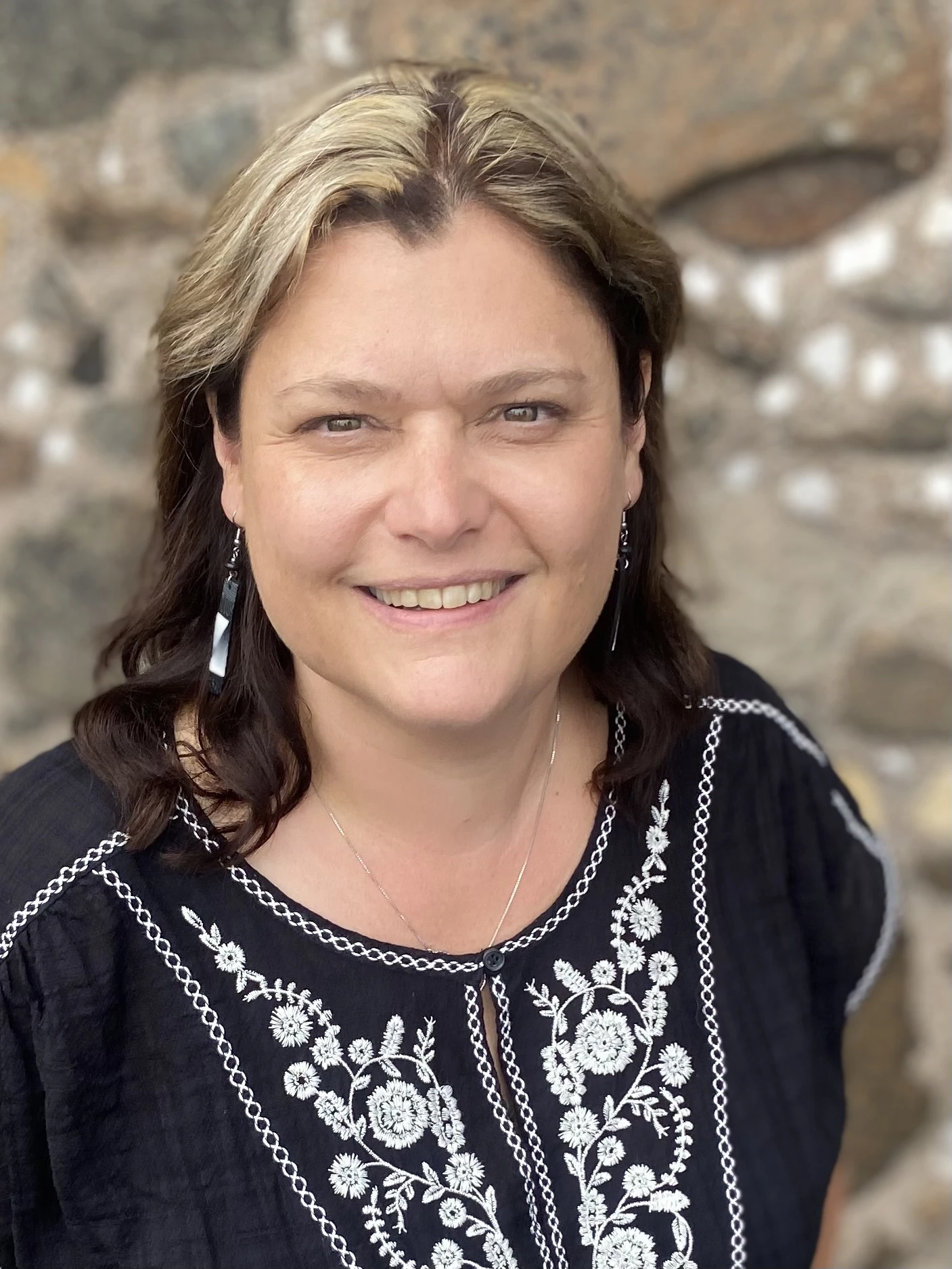
Sue Divin is a Derry-based writer with Armagh roots. Her critically acclaimed novels are popular with teens and adults alike. Published in May 2026, Runaway Road (First Ink, Macmillan), is on the Irish Times ‘Best fiction of 2026’ list. Guard Your Heart was Carnegie listed. Truth Be Told is on Ireland’s curriculum.
More work by Sue Divin


Tel: 028 7126 6946
Email: hueditor@theverbal.co
Verbal, Stable Lane and Mall Wall, Bishop Street Within, Derry/Londonderry, BT48 6PU
 company
Copyright © 2026 Honest Ulsterman