


Short stories and the truth
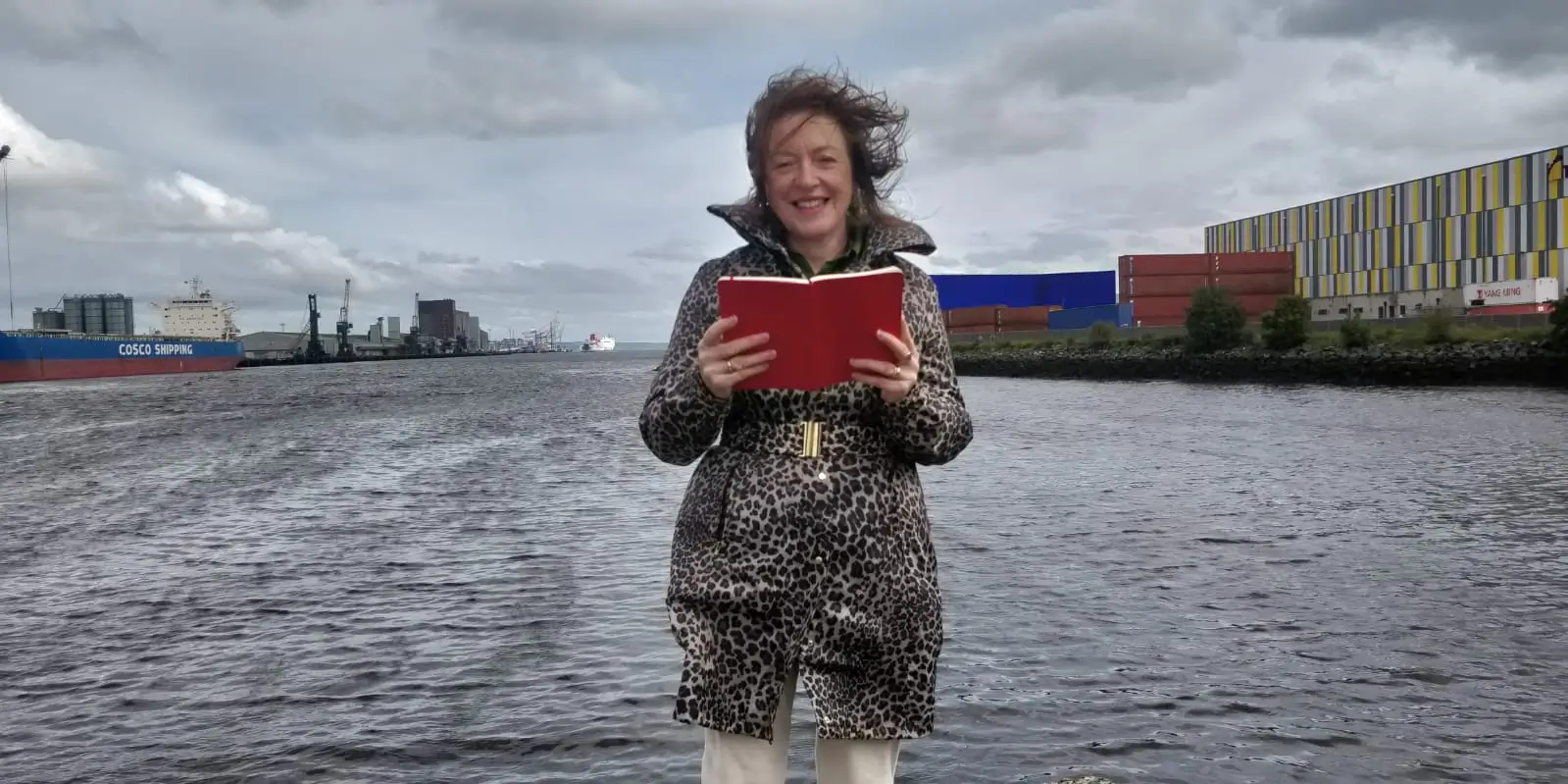
…or in Clydach Vale, or Cremona. There isn’t a single iguana in my collection of 26 short stories. Craigantlet doesn’t feature either nor that particular Welsh Valleys community nor that specific Italian city. Yet the notion of the short story writer as a seller of iguanas has been central to my writing my stories set in Northern Ireland, Wales and Italy.
I blame the Mexican writer, Juan Villoro and the Argentinian, Andrés Neuman. At an event in Cardiff University in 2017 these two spoke brilliantly about the process of writing short stories and freed me from some hang-ups that I had been allowing to weigh my writing down.
Why should short stories have a claim on our attention? These small pieces of literature can seem insignificant in relation to bulkier works. Often, they deal with the ordinary, the everyday. Villoro described how, in driving at home, he often passes iguana sellers. They stand at the roadside, holding up a bunch of iguanas – a reptile so common as to be almost un-noticed. He has never seen anyone stop to buy an iguana but he assumes it must happen at some time, somewhere. The short story writer, he claimed, is like the iguana-seller, waiting patiently, holding up these small wares till eventually someone buys one and takes it home.
At the time, I was at the beginning of the period covered by a grant from Literature Wales (the literature branch of the Arts Council in Wale) to support me in developing a short story collection. I had a few iguanas, as it were – did I even have what you could call a respectable bunch, I worried – and why should anyone want to buy whatever I managed to put together? But, seeing myself as one of the noble company of roadside reptile-sellers, well, I wasn’t alone. That was the first positive thing.
Secondly, these South Americans were passionate about the possibilities of the short story form. I particularly warmed to Villoro’s explanation of ‘the second story’. He asserted that, because South American writers are attracted to writing about ‘thresholds’ between reality and fantasy, they pay close attention to everyday details in order to keep the work grounded. Alongside this, he said, there is a fondness for a structure that has two layers of plot: the surface action and the second story which is occurring at the same time. The reader must be helped to wonder why the writer is telling this second story; what deeper level is being offered? It seems to me that this provides a double pleasure and a kind of collaboration between writer and reader. Not everything is ‘on the plate’. It might be the tablecloth wot-dun-it. Will the reader spot the clue?
In South American writing the second story has become progressively more important over time, both writers claimed. After Borges, master of the short story, they asserted, this ‘hidden meaning’ became more significant.
Then Villoro spoke of ‘the secret meaning of objects in the story; through these objects you can tell something that is not the evident story but something subtler — the second story.’ The writer charges some object with a special weight of meaning, making it act as a key to the inner lives of characters or as a guide to interpretation by the reader. ‘We are giving the real meaning to the small objects’ within a story, he said. I liked this distinction between the apparent and the real meaning of an object.
I was also very struck by Neuman’s remarks on the autobiographical perspective within fiction. In factual writing, he said, ‘you will try to justify yourself, hide your weaknesses… whereas if you’re trying to address the issue as fiction you feel free... You can invent new characters, improve reality, manipulate action into a different direction. You can include what might have happened, invent an alternative memory.’ He asserted that personal experience is not made up only of facts but includes the might- have-happened or what-was-desired-to-happen-but-didn’t. ‘Pure autobiography eliminates dreams,’ he said. What he wants are the facts but also what happened around the facts. ‘I enjoy being me and someone else… What is important is ‘not factual accuracy but symmetry’.
I found these four points immensely liberating. And that insight into the way in which actual experience is mediated through a halo-effect of potentialities helped me to accept and revel in the inter-dependence of fact and fiction rather than be fretting about whether one was more worthy than the other. It is not only in fiction that human beings ‘fictionalise’.
I have been a documentary-maker for decades and although I have also worked in feature film fiction the tendency to want to be factually accurate is strong in me. The points these writers made helped me to strike a balance between fact and fiction. Perhaps, most importantly, to try to be aware of what I was doing with any facts. The documentary ethos puts a high value on an acute perception of issues to do with representation, as well as with material facts. It is not only what is said that matters but who is controlling the framing of it and who is selecting what gets said. As a writer, the unconscious will throw up wonderful wares onto the page but the conscious mind needs to be capable of taking responsibility for what is done with that material.
In A City Burning, I have chosen to write about three places: Northern Ireland, Wales, Italy and about some of their people. As well as protagonists in their home settings, I have the Northern Irish in Italy; Italians in Wales; and the Welsh in Northern Ireland. The common thread is confrontation with the collapse of something fundamental.
I am as interested in thresholds as the South Americans but it is those between the status quo and the ‘next step’ into uncertainty that have the strongest hold on my attention.
A City Burning is published by Seren Books on 21st October.
https://www.serenbooks.com/productdisplay/city-burning
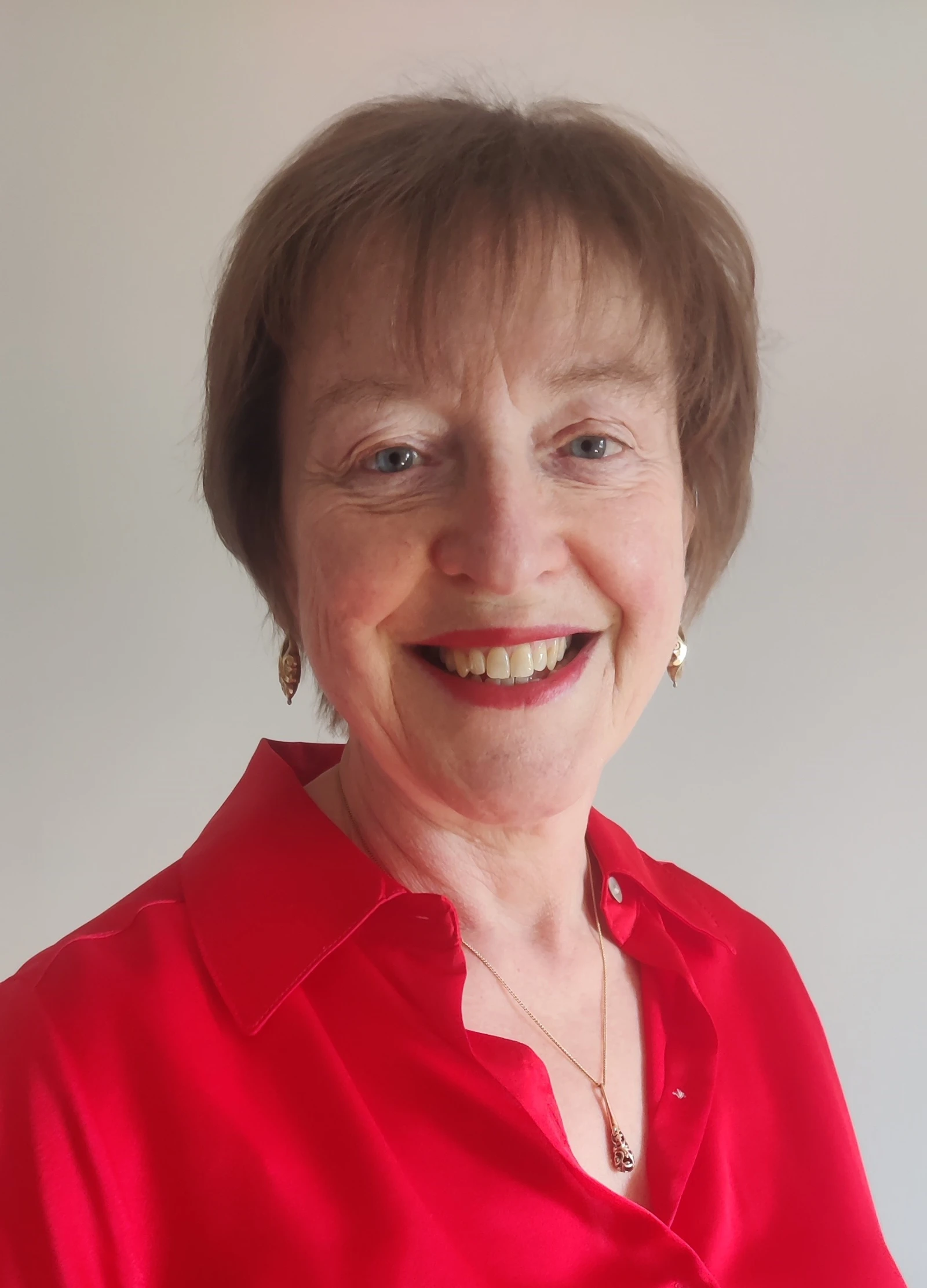
Angela Graham’s new poetry collection Star: poems for the Christmas Season is published by Culture And Democracy Press. Her collection of poetry, Sanctuary: There Must Be Somewhere 2020 and collection of short stories, A City Burning 2022 are published by Seren Books. She is an award-winning film maker and BAFTA-nominated screenwriter. angelagraham.org
More work by Angela Graham


Tel: 028 7126 6946
Email: hueditor@theverbal.co
Verbal, Stable Lane and Mall Wall, Bishop Street Within, Derry/Londonderry, BT48 6PU
 company
Copyright © 2026 Honest Ulsterman